No Apprentices, No Future: How Trade Business Owners Are Taking Recruitment Into Their Own Hands

Talk to almost any trade business owner in the US right now and you'll hear the same thing: finding good help is brutal. Not just experienced journeymen—entry-level workers, too. The pipeline that used to funnel young people into the trades has slowed to a trickle, and the consequences are starting to show up everywhere from backed-up project schedules to burned-out one-man operations that can't scale.
According to the Associated Builders and Contractors, the construction industry alone needs to attract roughly half a million additional workers on top of normal hiring just to meet current demand. That number doesn't even account for the wave of retirements expected over the next decade as Baby Boomer tradespeople exit the workforce.
The shortage is real. But so is the opportunity—for shop owners willing to think differently about how they find, develop, and keep the next generation of craftspeople.
Why the Traditional System Isn't Cutting It
For most of the 20th century, union apprenticeship programs handled a huge chunk of skilled trades training. You'd sign up, go through a structured multi-year program, and come out the other side with a card and a trade. That system still exists, but it's under strain. Enrollment hasn't kept pace with demand, and in many markets, the wait lists are long enough to push impatient young workers toward other industries.
Vocational education in high schools has also taken a hit. Decades of pushing four-year college as the default path left shop programs underfunded and, in some districts, eliminated entirely. That cultural shift is slowly reversing—there's been real momentum around trades education in recent years—but the damage to the pipeline isn't going to fix itself overnight.
Meanwhile, trade business owners are sitting on job orders they can't fill. Something has to give.
Building Your Own Pipeline: What's Actually Working
Partner Directly with Local Schools and Programs
Some of the most forward-thinking shop owners aren't waiting for qualified candidates to show up—they're going to where young people already are. That means reaching out to community college welding programs, high school CTE (Career and Technical Education) departments, and trade-focused nonprofits.
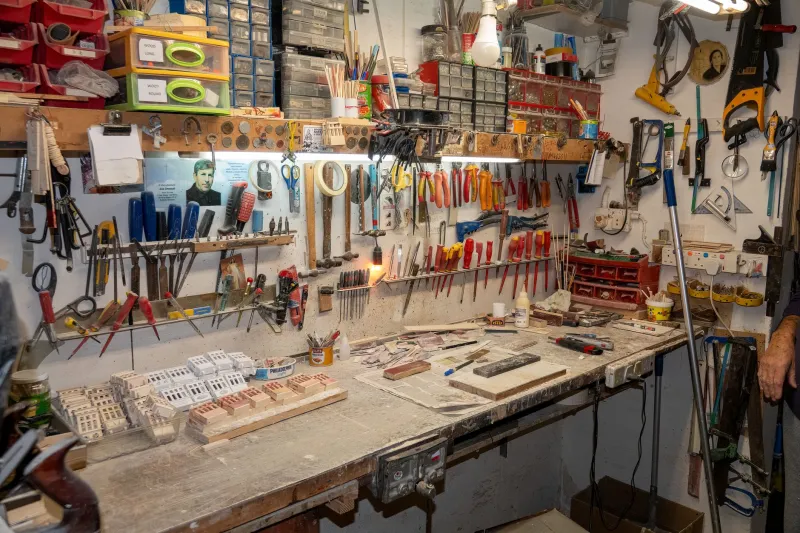
Mike Harlan, who runs a mid-size electrical contracting company in Columbus, Ohio, started hosting quarterly shop tours for local high school juniors and seniors three years ago. "Half of them had never seen the inside of a real working shop," he says. "We're not pitching them hard. We're just showing them what the job actually looks like day to day." Two of his current apprentices came directly from those visits.
The approach doesn't require a big budget—just a willingness to show up and make the case for your trade.
Rethink the Wage Structure
One of the biggest barriers to apprenticeship recruitment isn't interest—it's money. Starting wages in many trades feel low to young people who are weighing their options against warehouse jobs, gig work, or service industry gigs that pay competitive hourly rates right out of the gate.
Some shop owners are getting creative. Structured raise schedules tied to skill milestones—rather than just time on the job—give apprentices a clearer line of sight to better pay. Others are experimenting with signing bonuses or tool allowances that reduce the upfront cost of getting started in a trade.
In Phoenix, a plumbing company owner named Darlene Castillo restructured her apprentice pay scale so that workers who pass each phase of their training get an immediate bump. "People don't mind starting low if they can see exactly how to move up," she explains. "Vague promises don't work. A chart on the wall that says 'pass this test, make this much' works."
Use Social Media Like a Recruiting Tool
Here's something that's easy to miss: a lot of young people who might be great tradespeople don't know what the work actually looks like. They've never watched someone lay a flawless tile pattern or run conduit through a tight commercial space. They don't know that there's real craft involved.
That's where social media comes in—not just for marketing to customers, but for recruiting future workers. Short videos showing the actual work, the skills involved, and yes, the paycheck potential, have pulled in apprenticeship inquiries for shop owners who would never have reached those candidates through a traditional job posting.
A roofing company in Nashville started posting "day in the life" content on Instagram and TikTok specifically aimed at showing young workers what a trade career looks like at different stages. Within six months, they were getting direct messages from people asking how to apply—people who hadn't been actively job hunting but got curious after watching the content.
Build a Mentorship Culture Before You Need It
Recruitment is only half the battle. Plenty of apprentices start strong and wash out because the shop culture doesn't support learning. Senior workers who hoard knowledge, environments where asking questions is seen as weakness, or shops where apprentices are treated as cheap labor rather than future craftspeople—these are all retention killers.
The trade businesses that are actually growing their workforce tend to be intentional about mentorship. That might mean pairing each new hire with a specific journeyman who's accountable for their development. It might mean weekly check-ins or structured skill reviews. It doesn't have to be complicated, but it does have to be deliberate.
"The old 'watch and figure it out' approach loses people," says James Okafor, a master carpenter in Atlanta who's built a small but stable crew over the past decade. "I tell my guys, teaching is part of your job now. If you can't explain what you're doing while you're doing it, you're not as good as you think you are."
The Long Game
None of this is a quick fix. Building a real apprenticeship pipeline takes time, consistency, and a genuine commitment to developing people—not just filling seats. But the trade business owners who are doing this work right now are positioning themselves to be the ones with capable crews when their competitors are still scrambling.
The shortage isn't going away on its own. But for shop owners willing to invest in the next generation, that's not just a problem—it's an edge.